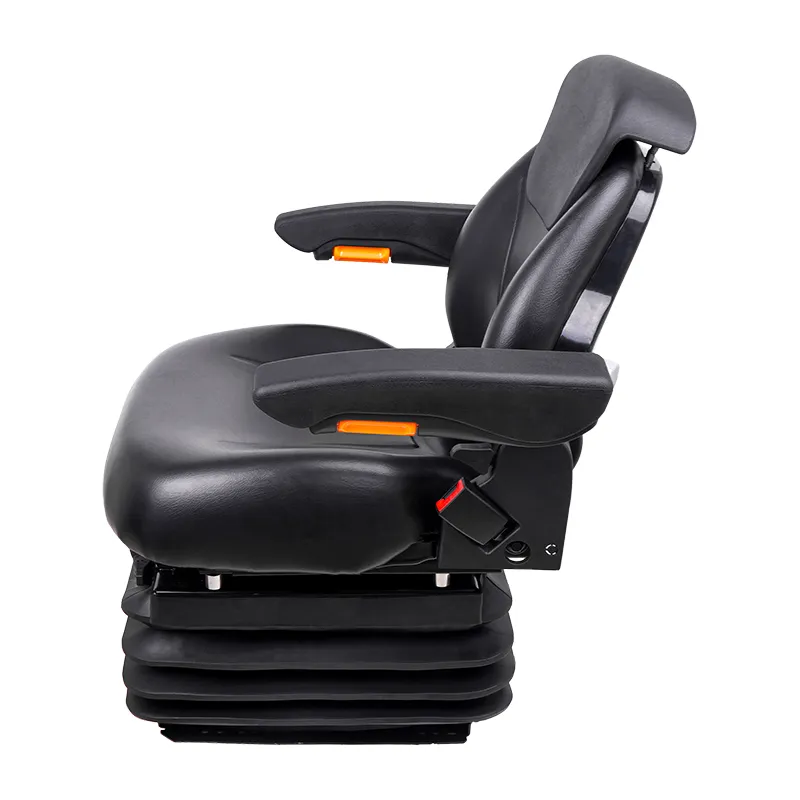
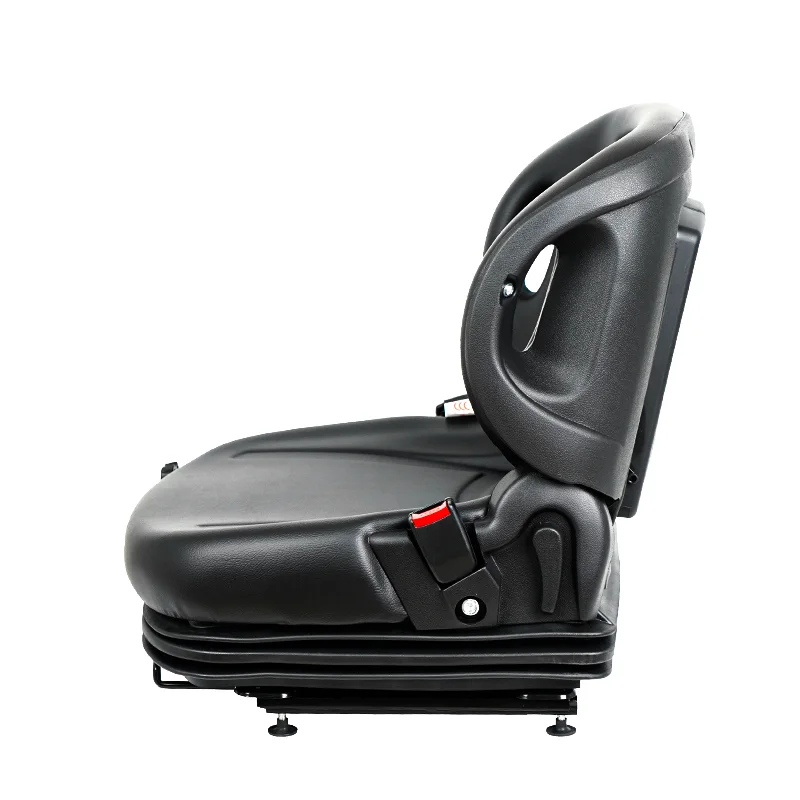
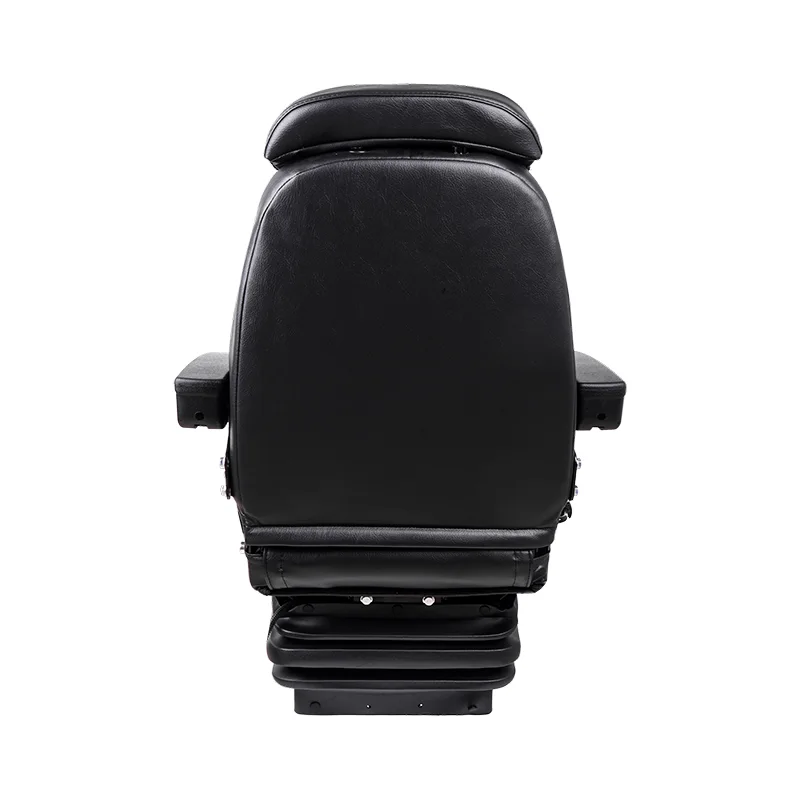
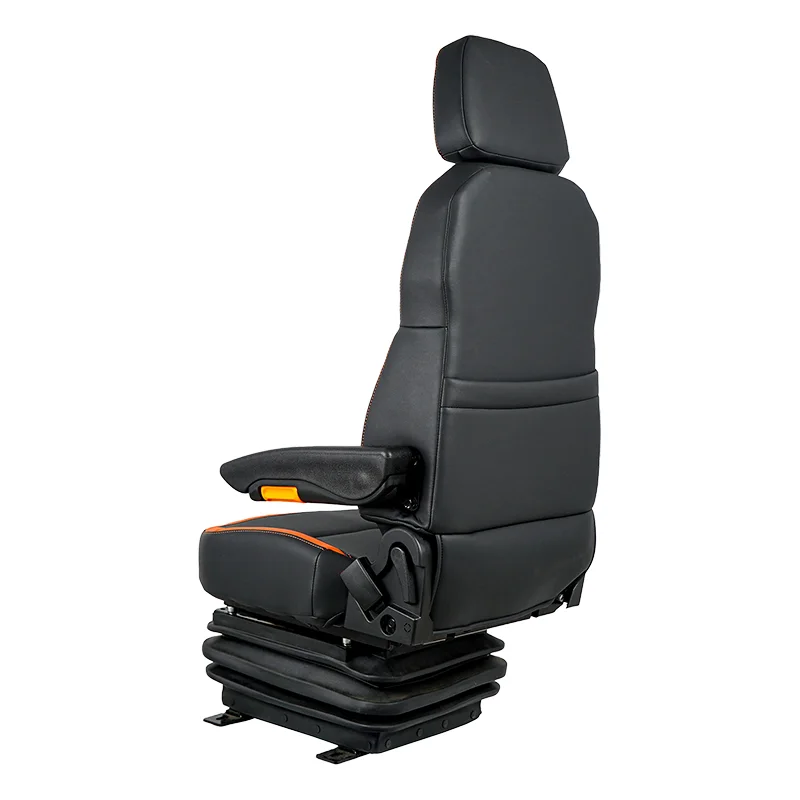
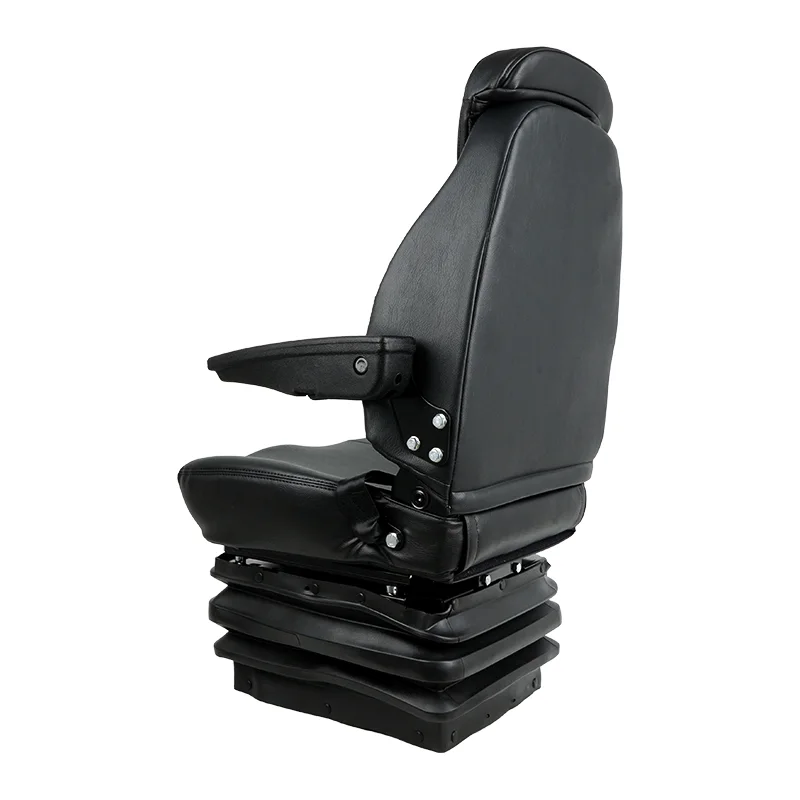
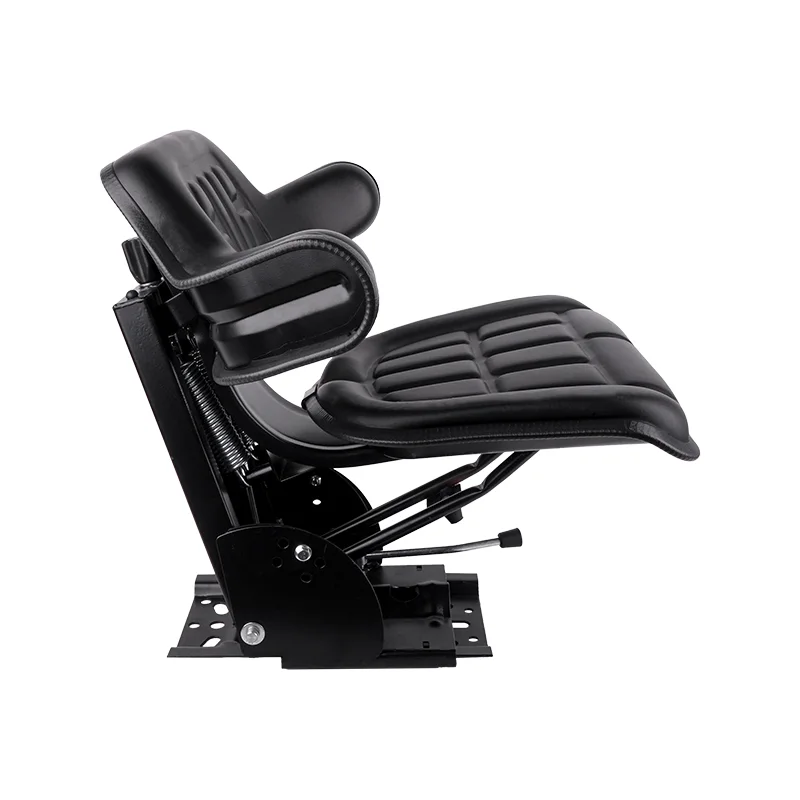
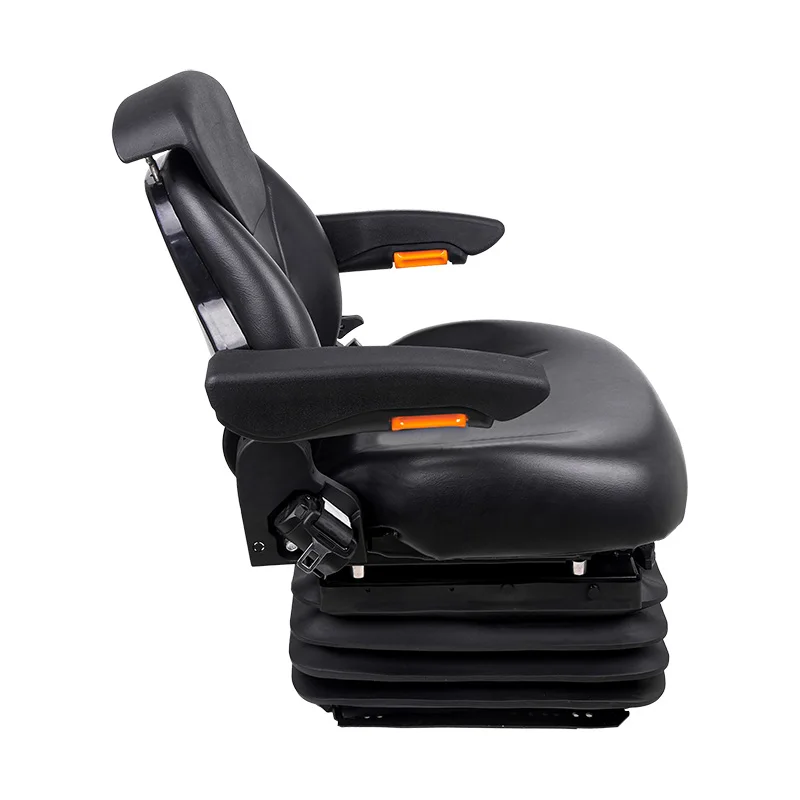
KL Seating designs, tests and builds seats for industrial vehicles and garden machinery, and supplies machine manufacturers and aftermarket distributors who need a seat supplier that can stay with a model for years. Design, structural analysis, stamping, welding, foam molding, testing and warehousing sit in one organization, on one set of digital systems, under one quality management system.
Nanchang Qinglin Seat Manufacturing Co., Ltd operates the KL Seating brand as a seating systems supplier for industrial vehicles and garden machinery.
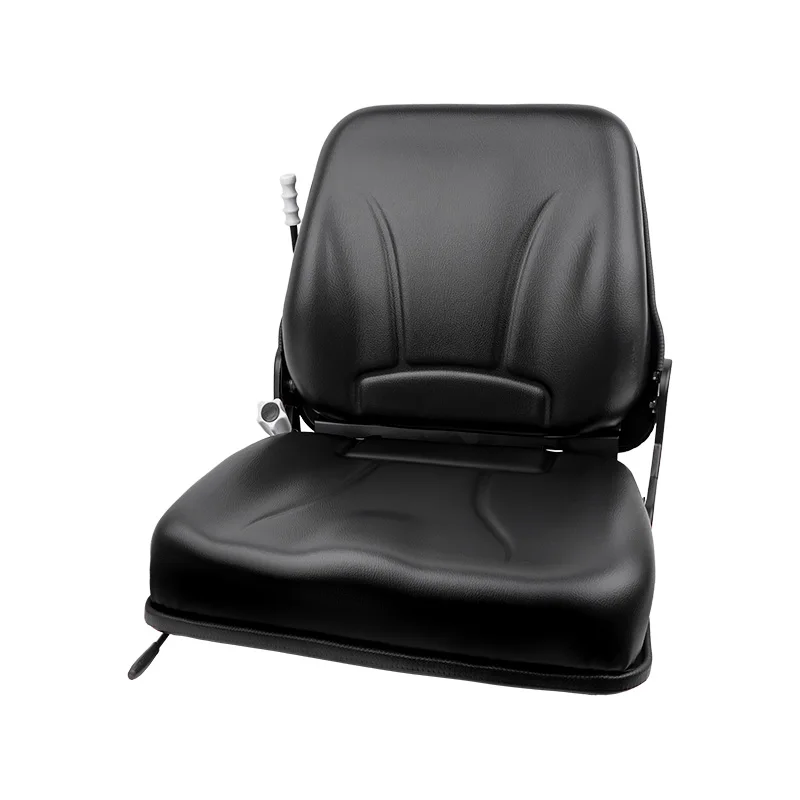
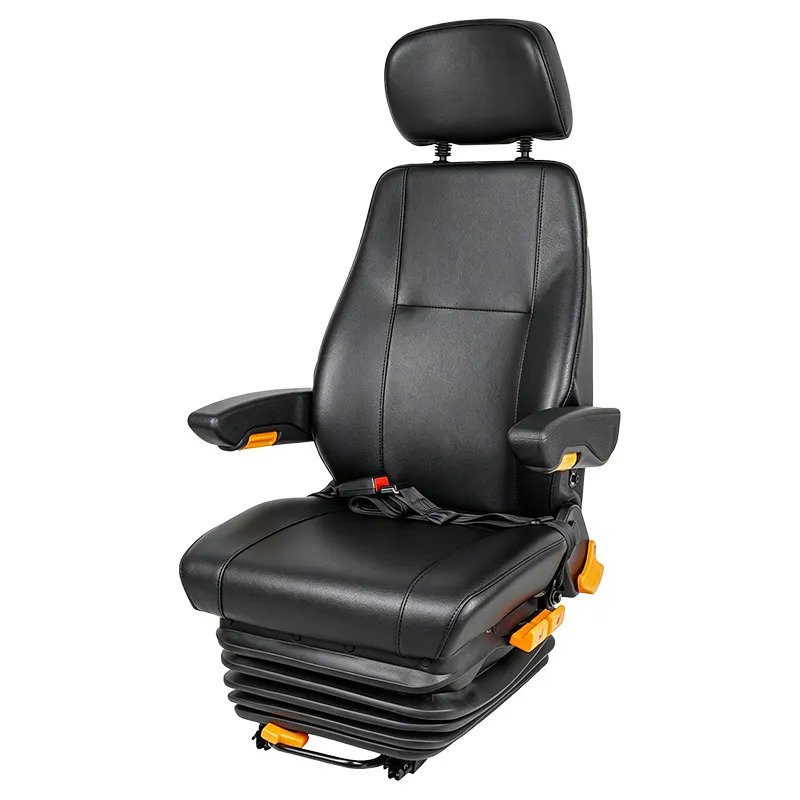
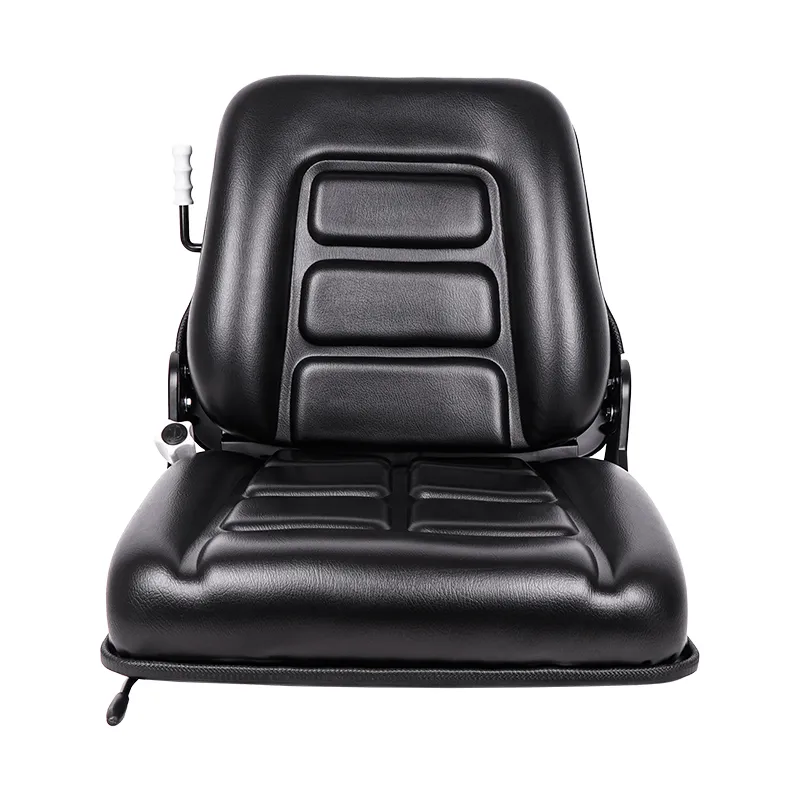
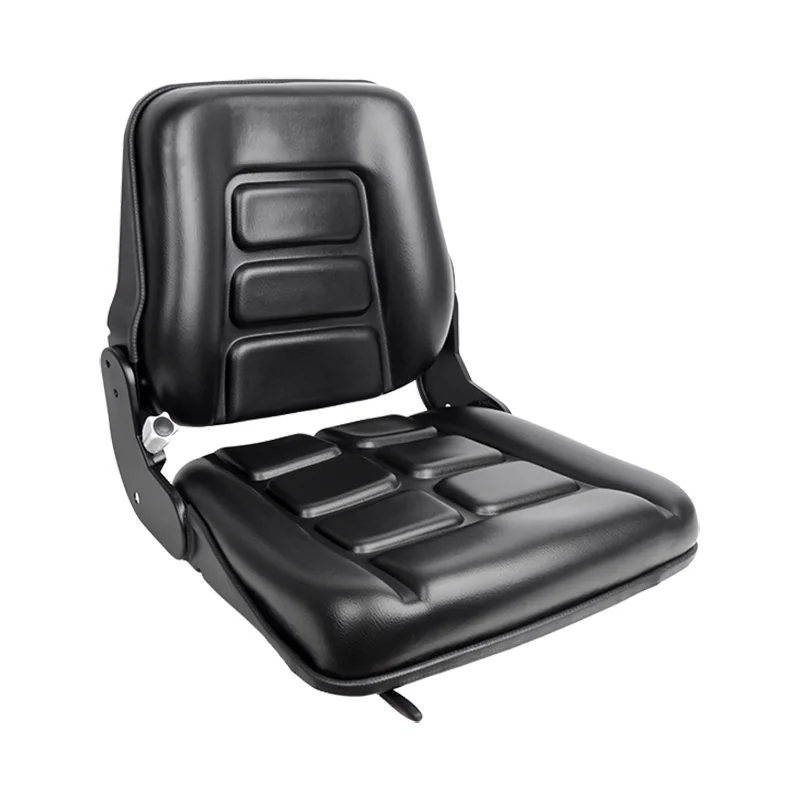
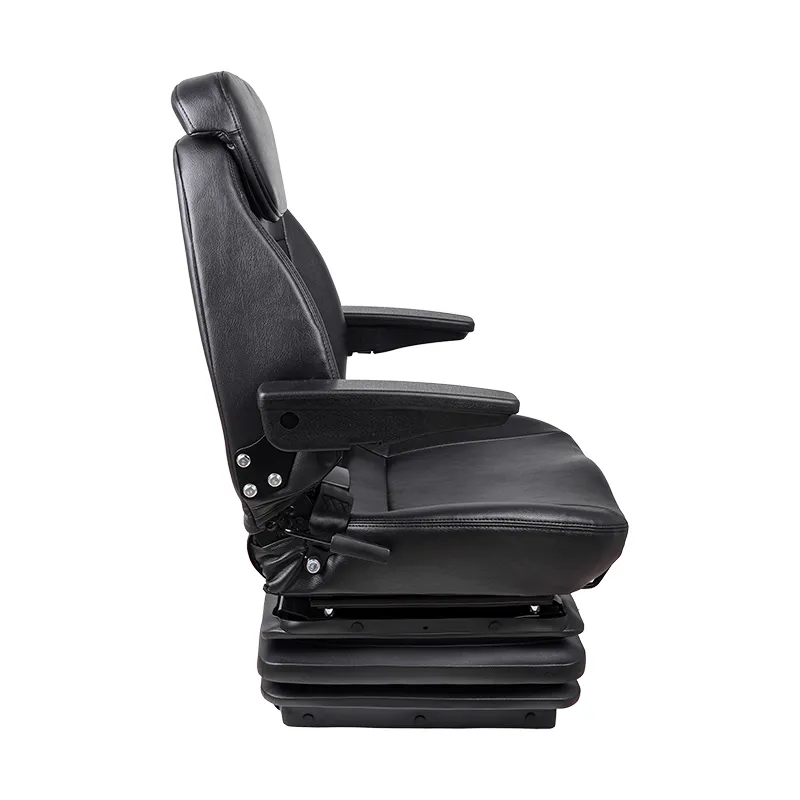
A seating system here means the seat body, suspension, slide mechanism, backrest adjustment, cover and optional parts such as armrests, headrests, seat belts, micro switches, electronic locks and steering mechanisms, specified together for one machine and delivered as one product.
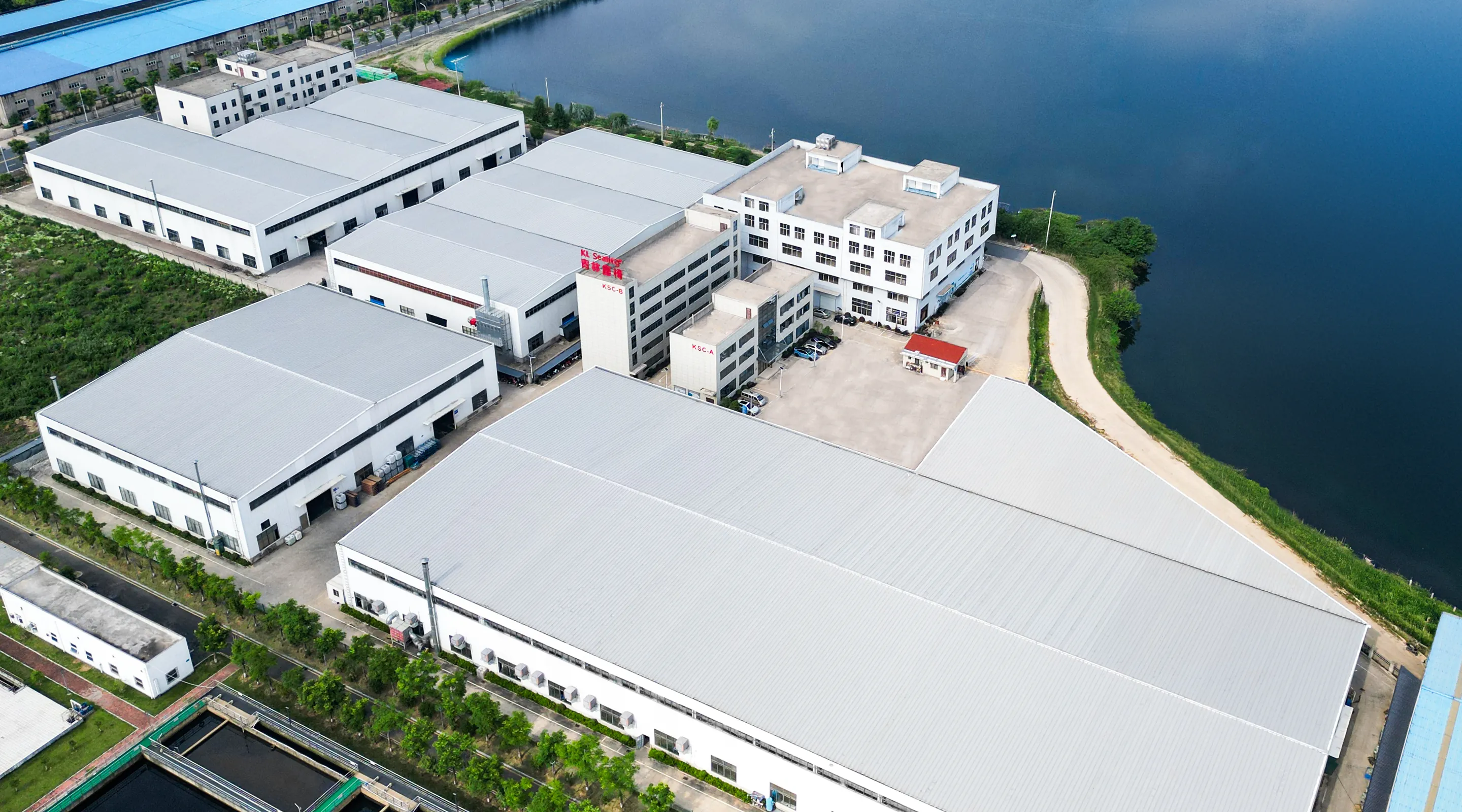
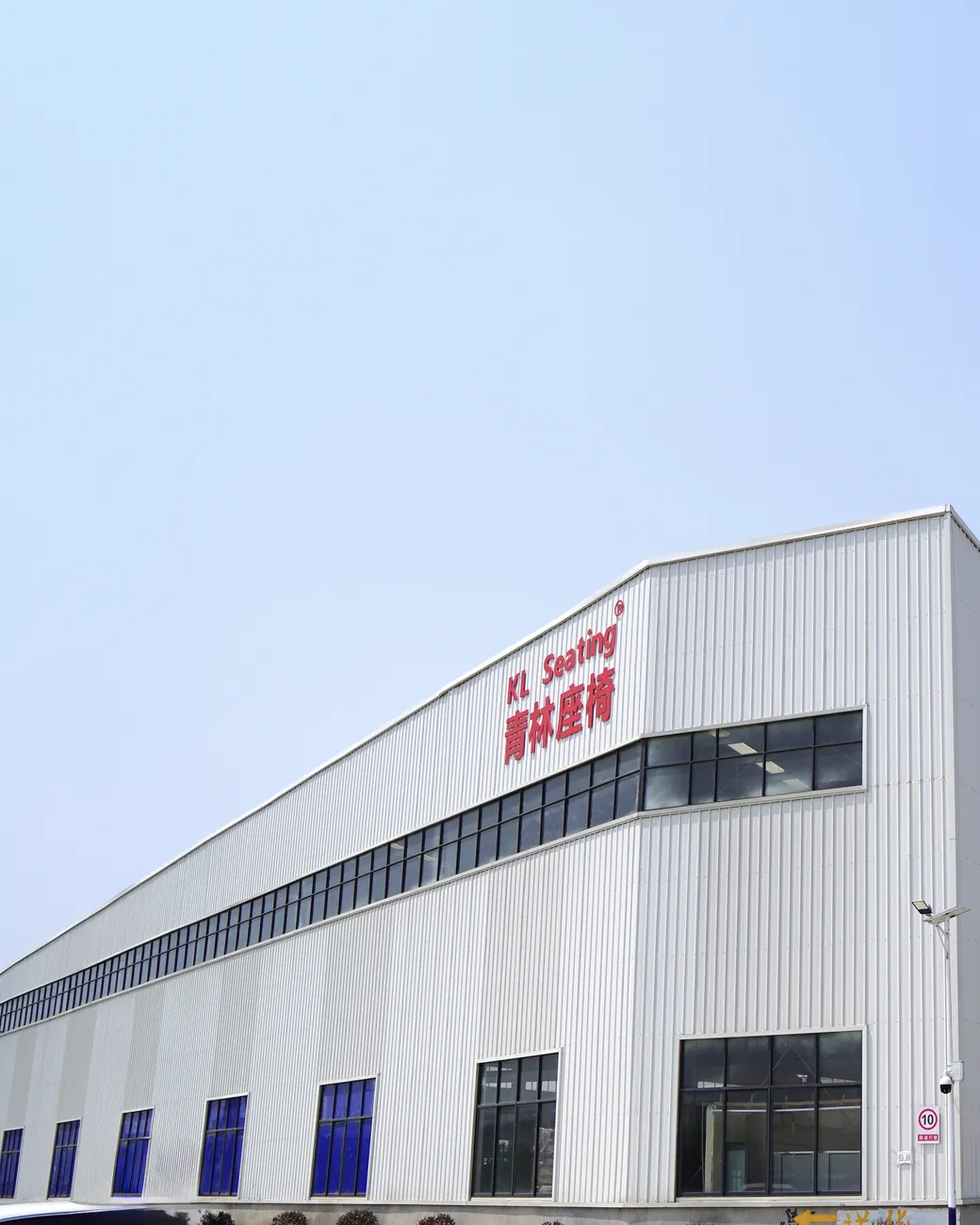
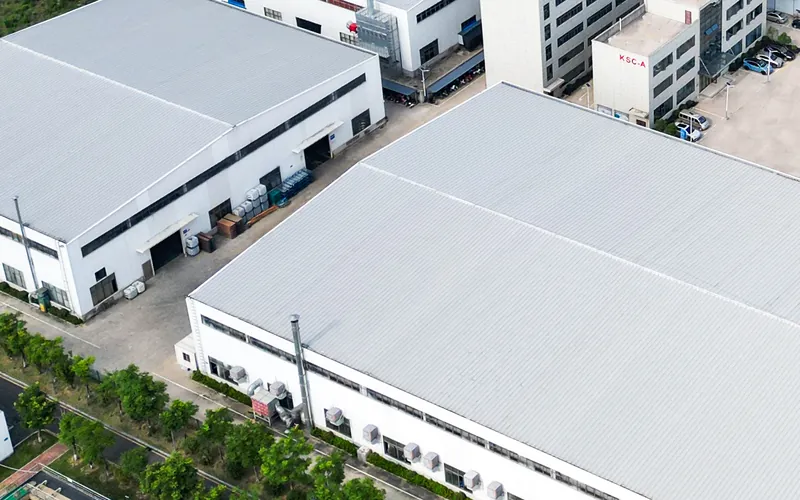
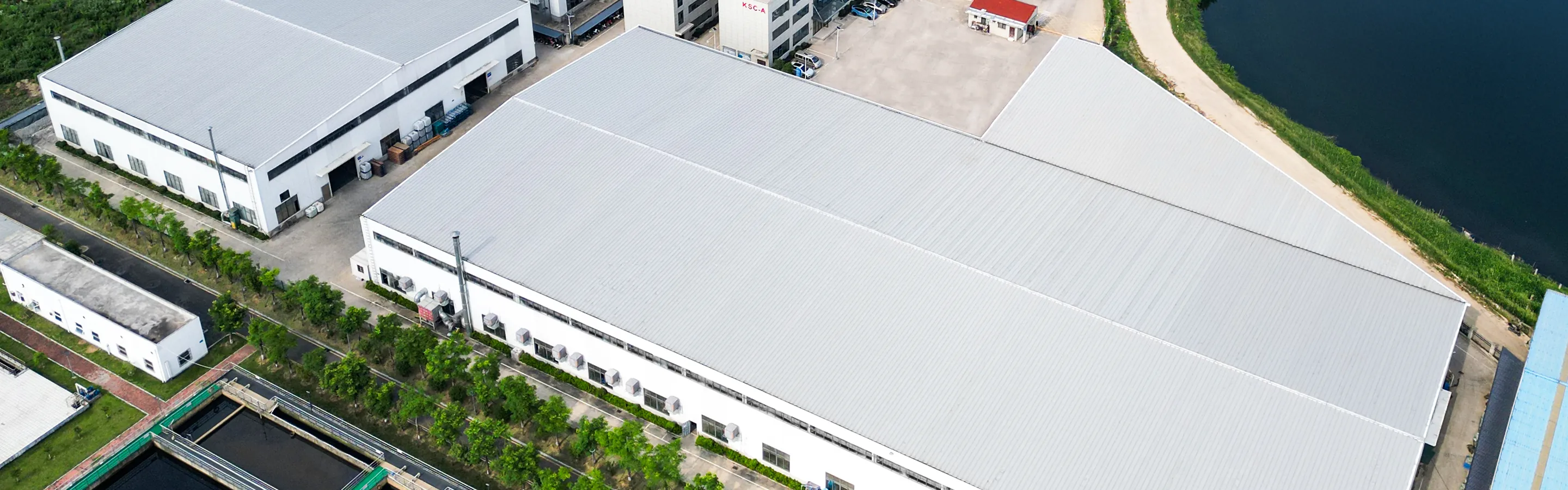
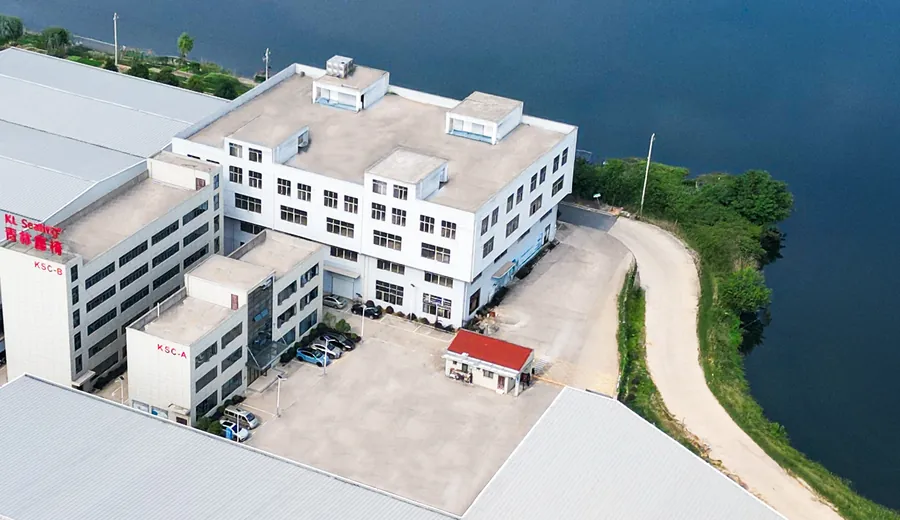
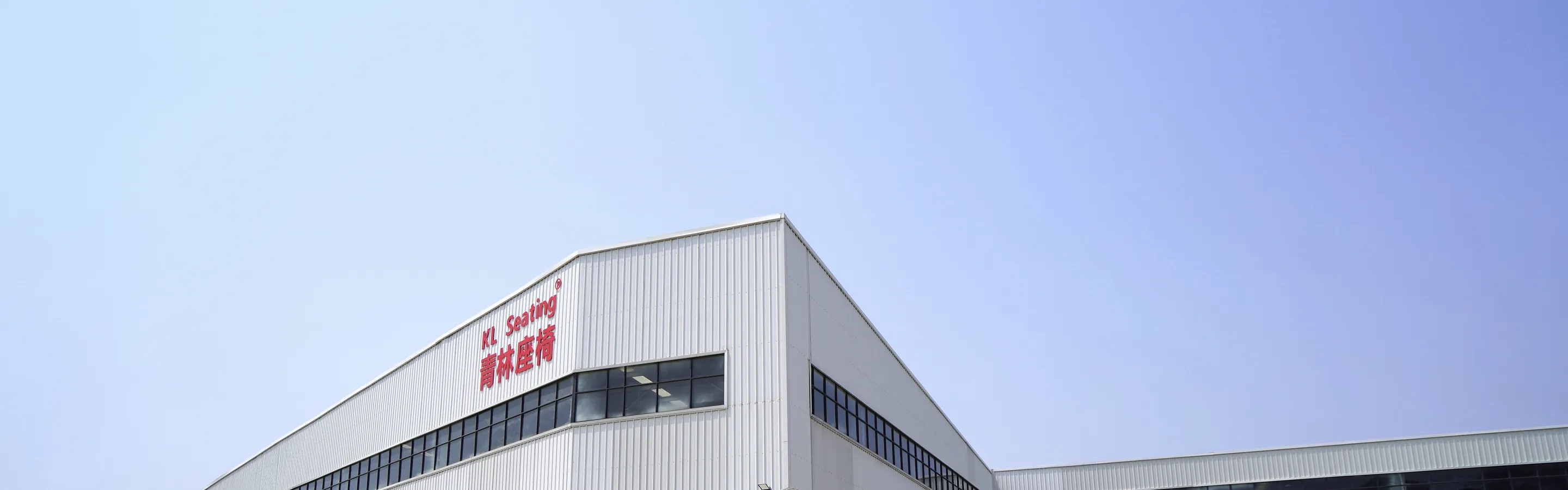
35,000 m² intelligent production base houses the automated lines, the independent R&D center and the precision testing center.
500,000 seats a year of annual capacity across forklift, construction, agricultural and lawn mower families.
180+ people, of whom 60% hold a college degree or higher and 12% belong to the technical team.
The sections below follow the order in which a buyer usually questions a supplier: how long it has done this, who does the work, how a design is created, how the records are kept, and what happens when a model has to be supplied again next year.
Supply routes
Two Supply Routes Run on One Factory
Machine builders and distributors buy differently. Both draw on the same factory, the same engineers and the same quality system.
Machine manufacturers
OEM and ODM
Customized and modular seats specified for a machine platform, with drawings or a written specification entering the R&D process. The platform, the operator range and the mounting pattern decide the options.
Standard models for replacement supply or under the distributor's own label, drawn from the same published parameter set, so a catalogue built on them stays consistent from one order to the next.
From its founding year the business has been a seat manufacturer, not a trading intermediary.
A company that makes its own seats owns the whole product, from how a frame is welded to how a cushion feels after a long shift. The engineering knowledge has to be built, and kept, in the building. The years to 2016 were the period in which the company accumulated experience with the machine families it still serves, and each family asks something different of a seat. Meeting all four sets of demands is what produced the range that exists today.
Material handlingThe operator climbs on and off all day.
ConstructionOne posture is held for long periods.
AgricultureThe driver crosses rough ground.
Garden equipmentA light seat has to fit a compact platform.
2016Brand
2016: The KL Seating Brand Puts a Name on the Product
From 2016 the company's seats carry its own brand, and the company stands behind that name.
Model codes such as KL01, KL11 and KL03 belong to a named product family with published parameters. A buyer can write a specification against a model and trace any later question back to the company that made it. A brand puts a name on the product and puts the company behind that name, and for a customer the change is practical: the seat stops being an anonymous part and becomes a documented component.
Machine buildersThe seat becomes a named, documented component that engineering and purchasing both refer to.
BuyersA model code with published parameters turns a seat question into a lookup against a named product.
Digital Factory With R&D and Testing in the Building
Each addition moved work that could have been outsourced or done by hand into a controlled, recorded, repeatable setting inside the company.
Automated
Foam, stamping, welding
Foam molding, precision stamping and robotic welding run as automated processes on the 35,000 m² base, so the forming of cushions and metal parts and the joining of frames stay under the company's own control.
Engineering
R&D and testing centers
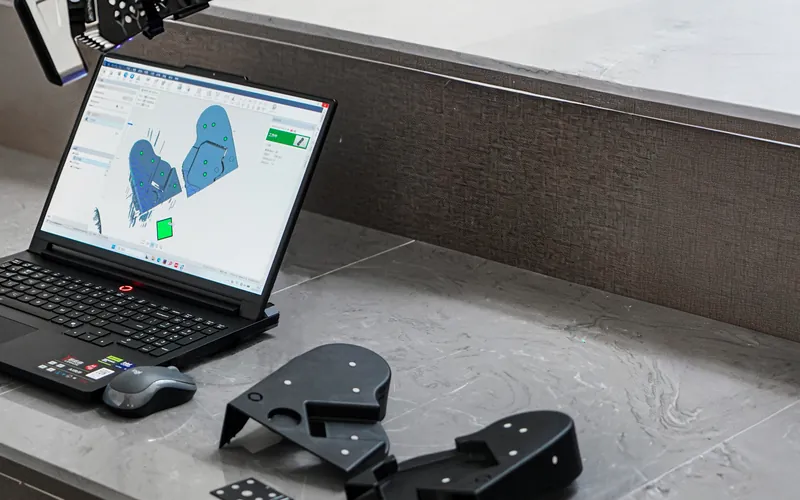
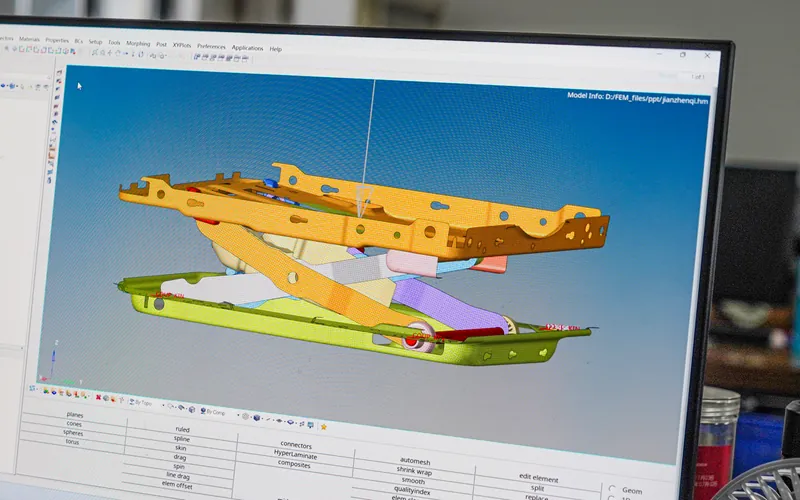
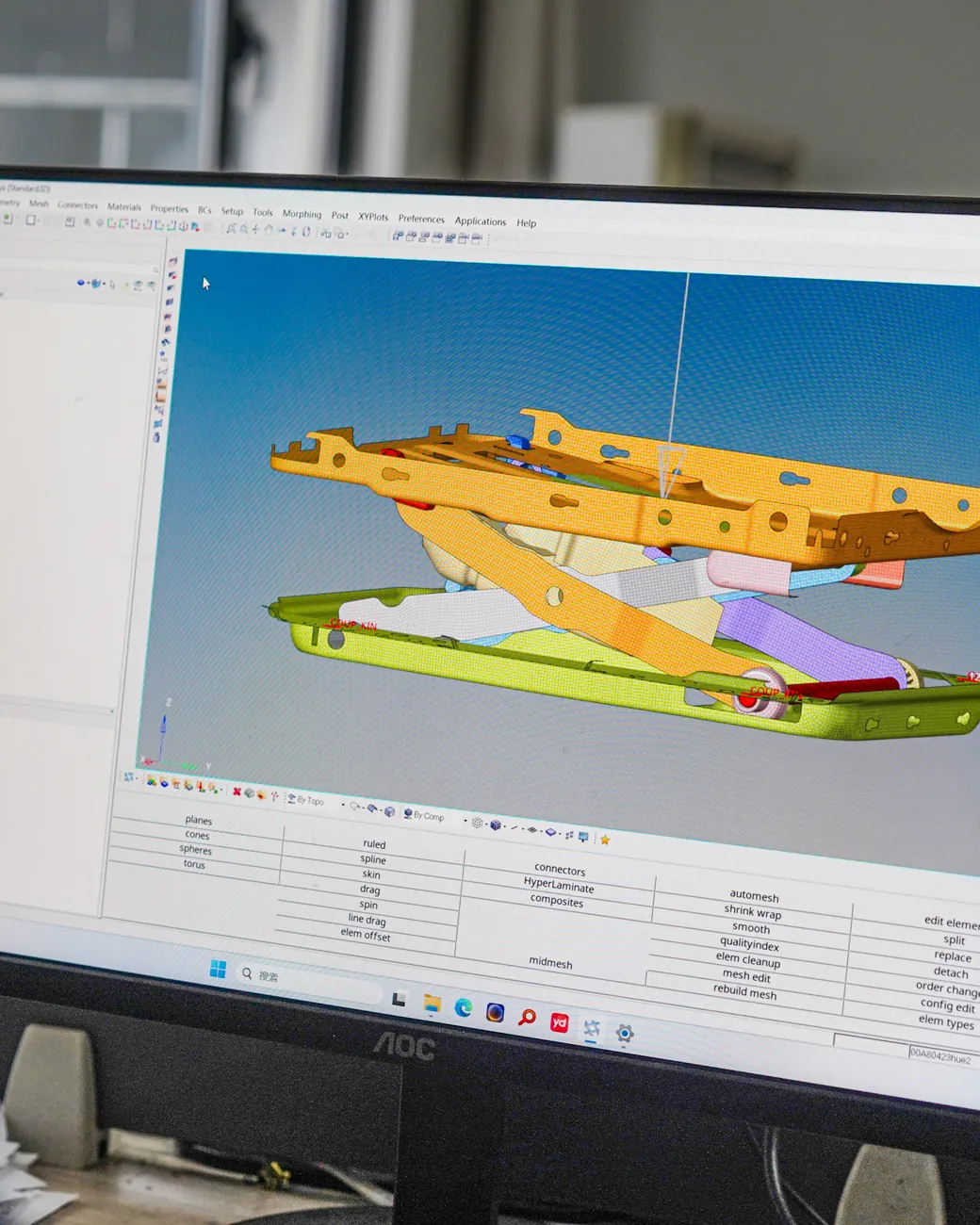
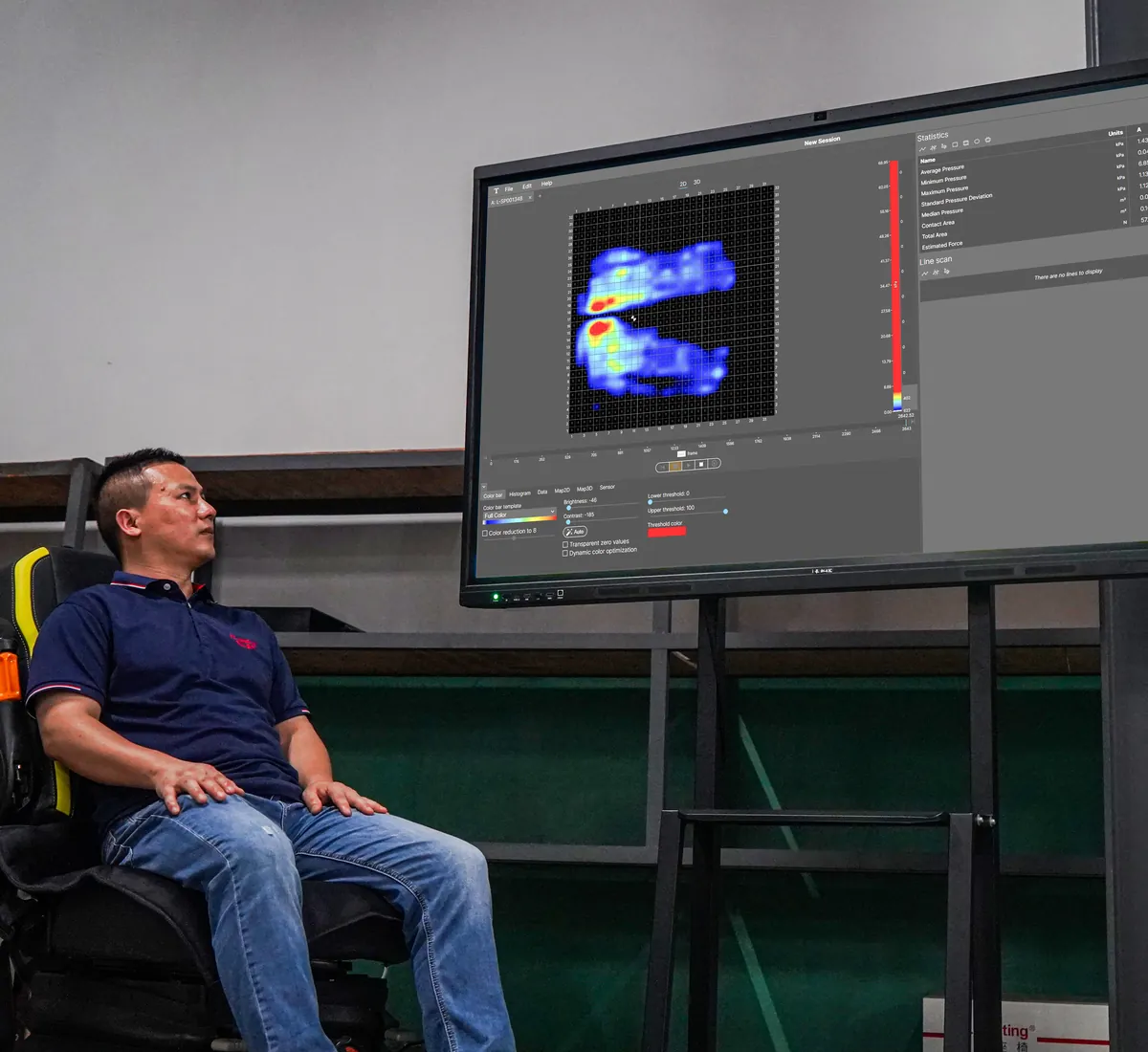
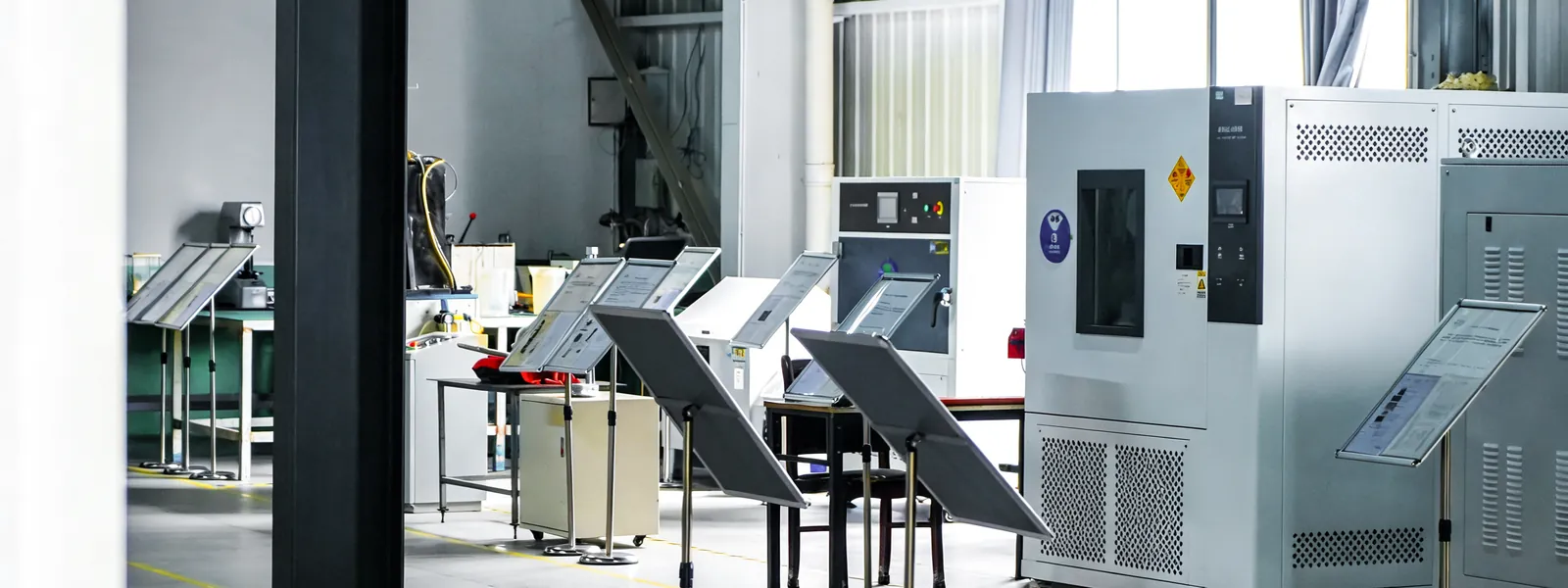
An independent R&D center and a precision testing center of 300+ m² with 20+ devices cover 3D scanning, pressure distribution comfort testing, shock absorber force analysis and CAE structural analysis.
Systems
MES, PLM, WMS, ERP
Four digital systems run across the whole business, from design data in PLM to storage and shipment in WMS, with MES recording the stages in between.
The result is a factory where a design change, a test result and a production record can be connected to one another, and where work that could have been outsourced stays inside a recorded setting.
Recognitions
National High-Tech Enterprise and Provincial Specialized and Innovative Enterprise
The recognitions reflect the engineering orientation of the business: the company invests in R&D, builds its own technology and focuses on a specialized product segment.
National high-tech enterprise
A national designation for companies that invest in technology and own their technology development. For a buyer it signals an engineering-led supplier with its own R&D rather than a workshop that copies drawings.
Provincial specialized and innovative enterprise
A provincial designation for companies that focus on a specialized segment with strong technical capability. For a buyer it signals a supplier that concentrates on machinery seating and does that one job in depth.
Every seat has one trail: released design, materials, line, inspection, warehouse.
Design philosophy · 1
Functional Adaptability: A Base Structure Plus Options
Machine builders rarely want the same seat twice. Each model has a base structure, and the variable parts are options added around it.
Options around the base
Suspension, slide rails, armrests, a headrest, a seat belt, a micro switch, an electronic lock, a steering mechanism and a PVC or fabric cover. Mounting-hole dimensions come in several sizes, so a standard model matches a machine base without a redesign.
When a request goes beyond
The R&D center takes the design change. The answer to "can the seat be adapted" is handled inside the company and not passed to a third party.
Lawn mower seats show it best: one light seat body, configured per platform with armrests, OPS, slide rails and suspension.
Human-Machine Collaboration: Four Operator Parameters Get Measured
A seat is where the machine meets the operator, so the operator side is measured as well as the machine side.
Fore-aft adjustmentPublished per model
Backrest rangePublished per model
Seat depth adjustmentPublished per model
Operator weight settingPublished per model
Pressure distribution testing shows how load spreads over the cushion and backrest. When the design team compares two cushion or backrest options, the measurements from the testing center are the reference, and the personal preference of an engineer is not. An operator who can set the seat correctly can control the machine correctly through a full shift, which is why every setting range is written down for each model.
Design philosophy · 3
Reliable Quality: Inspection Is a Stage in the Flow
Quality inspection is a stage inside the same MES chain as production and warehousing, not an activity placed outside the flow.
Reliable quality decides what the factory does when schedule and quality pull apart. The quality system is certified to ISO 9001:2015, and the inspection stage is not something production can skip, because the next stage in the same record waits for it.
The principle also covers design. CAE structural analysis examines the seat structure before parts are made, so a weakness is found on a screen and not on a machine in the field. Taken together, the three principles describe a company that wants a seat to fit the machine, fit the operator and keep performing.
Team
180+ People, 60% With a Degree, 12% in the Technical Team
180+Employees
60%College degree or higher
12%Technical team
A large share of the staff can read drawings, run digital systems and operate test equipment, and a dedicated technical group works on design and process questions. A buyer's question about a mounting pattern or a suspension setting reaches the person who knows the answer in a short number of steps.
That reachability is one of the practical advantages of working with a factory directly. The split matters for a manufacturer of this kind: readers of drawings, operators of digital systems and test engineers sit in the same organization as the people who run the lines.
MES
Teams
Teams Follow the MES Stages From R&D to Delivery
The organization follows the stages that MES records. Each stage has an owner, and the six owners work from one record.
R&D
Design ownersOwn the seat design and read the results that come out of the testing center.
Purchasing
Material ownersBuy foam, cover, metal and electrical components against the released design.
Production
Line crewsRun the three automated processes and assemble formed, stamped and welded parts with suspension, slide rails, cover and accessories.
Inspection
Quality and testingOwn inspection under the ISO 9001:2015 system.
Warehousing
Warehouse staffHandle storage and shipment through WMS.
Delivery
Sales teamTakes machine details, brings in engineers for design questions and returns matching models with published parameters.
Because the company holds the whole chain, a technical question does not wait for a handover between companies. Sales staff bring engineers into a request when it needs a design opinion, and the answer comes from the people who draw, weld and inspect the seat. A buyer asking about a mounting pattern is therefore talking, within a few steps, to the owner of that decision.
R&D center
R&D Center: Four Steps From Requirement to Production Release
The independent R&D center is where a seat design starts and where its changes are handled afterwards. Follow one design through the building.
01
A requirement arrives
A new machine platform, a distributor variant or a specific mounting pattern. Engineers start from the parameters that decide fit: mounting-hole dimensions, operator weight range, fore-aft adjustment, backrest range and suspension travel, checked against existing models first.
02
Structure is analyzed before parts exist
CAE structural analysis simulates how the seat carries load, so weak points are found in the model. 3D scanning records the shape of a built part and compares it with the design data.
03
The design is released through PLM
An accepted design is held as product data. Production, purchasing and quality work from the same released information, and any later change goes through the same system.
04
The cycle continues after release
Test findings and production feedback return to the R&D center, which owns the design for as long as the model is in supply. A later enquiry about the same model reaches the same engineers and the same data.
Each system has a defined job. MES sits in the middle and covers the whole chain.
PLM
Product data
Holds the design, its structure and its released state.
ERP
Business side
Carries orders, materials and the commercial flow.
WMS
Warehouse
Controls what is stored, where it sits and what is shipped.
MES
Whole chain
Covers R&D, purchasing, production, quality inspection, warehousing and delivery.
R&D
Purchasing
Production
Inspection
Warehousing
Delivery
One trail through every stage
Without a shared record, each department keeps its own notes, and a question about one seat is answered by asking several people and reconciling their replies. In a factory where one system spans the stages, a question about one seat is a lookup: which design was released, which materials went in, which line produced it, what inspection recorded and when it left the warehouse. Annual capacity of 500,000 seats, spread across several machine families with modular options, means a large number of variants. Keeping track of which cover, suspension, slide rail and accessory belongs to which seat is the work MES, PLM and WMS take on, and it lets option-rich OEM work and standard wholesale models run on the same base.
For the customer the same record is a quiet assurance. A machine builder fitting seats to every machine it ships benefits from a supplier whose build record is organized, and a distributor stocking replacement seats benefits from models that stay identifiable from one supply cycle to the next.
Long-term supply
Four Elements Keep a Seat Model Available and Consistent
A machine builder expects to buy the same seat for the production life of a platform. A distributor expects a catalogue model to stay available and stay the same product.
01
Made in house
Foam molding, precision stamping and robotic welding run on KL Seating's own base, outside any subcontractor's schedule, equipment change or decision to drop a job.
02
Design held in PLM
A model supplied in a later year starts from the same released data. A change is made on that data and recorded, which keeps the lineage of the model readable.
03
Parameters published
Mounting-hole dimensions, weight range, adjustment travel and suspension data are written down per model. See seat fitment compatibility.
04
Modular base stays stable
A variation is an option or a controlled design change, so a machine builder's special configuration never disturbs the standard model a distributor stocks. The base model stays the same product for everyone who buys it.
These are features of how the organization is built, not promises written on a page.
That is why a buyer can plan a multi-year program with KL Seating. A machine builder describes the target platform and the operator range in an enquiry, and the team answers with the models that suit it and the options that come with each. The same enquiry route serves a distributor planning a replacement catalogue.
Quality system
ISO 9001:2015, CE, RoHS, REACH and Two National and Provincial Titles
The quality system and formal recognitions describe the organization from the outside.
ISO 9001:2015Quality management system: documented processes, assigned responsibilities and records.
CEConformity for products placed on the European market.
RoHSRestrictions on hazardous substances in materials and components.
REACHRegistration and control of chemical substances in materials.
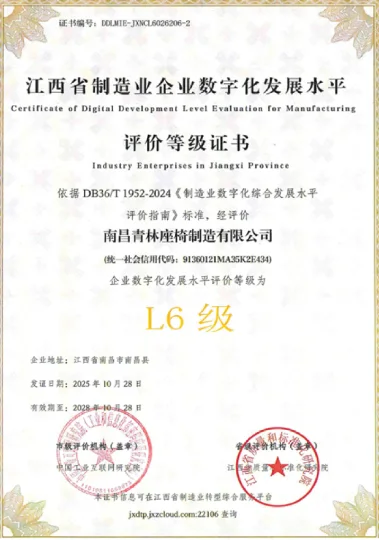
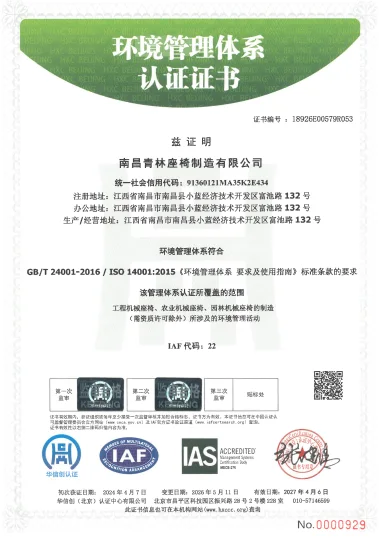
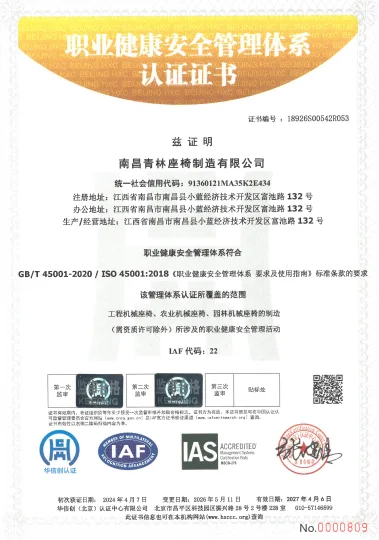
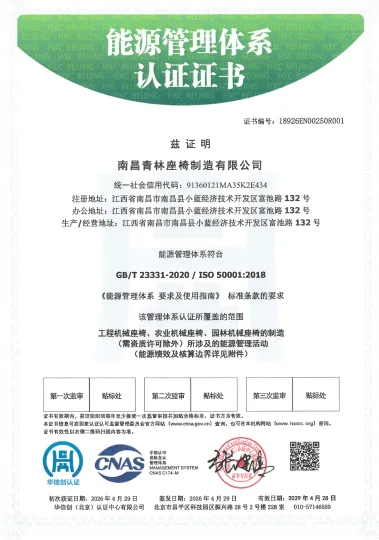
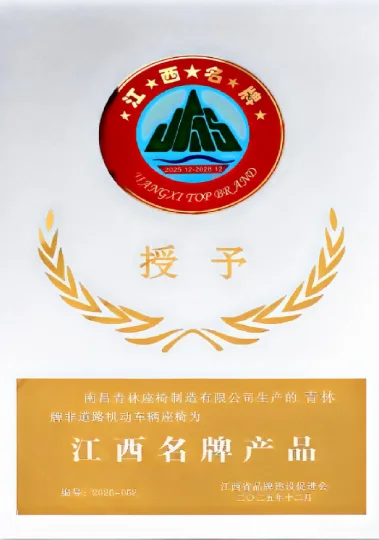
A seat is built from foam, fabric or PVC, metal and electrical components, all of which carry material requirements in some markets. Buyers in Europe look for CE, RoHS and REACH in the supplier's profile. The digital development, environmental, occupational health, energy and brand certificates shown here sit alongside the four named standards. More on the seat quality testing page.
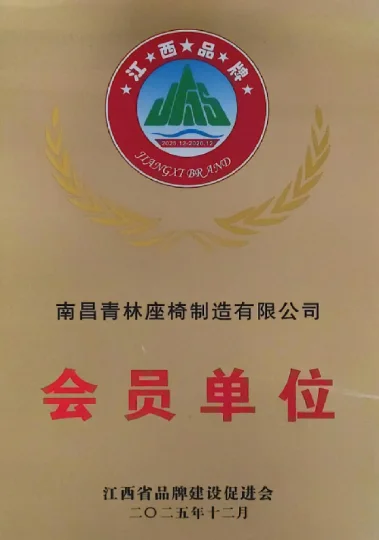
Digital development levelEnvironmental managementOccupational health and safetyEnergy managementJiangxi brand productJiangxi brand membership
Export markets
Export Markets: Asia 50%, Americas 30%, Europe 10%, Other 10%
KL Seating exports its seats. The sales team is used to receiving a specification from a distant market, matching it to published parameters and returning a clear answer. Europe brings the material and conformity expectations that CE, RoHS and REACH address.
AsiaAmericasEUOther
50%Asia
30%Americas
10%Europe
10%Other regions
Asia carries half of the export business and the Americas almost a third, so most specifications arrive from markets far from Nanchang and are answered with the same published parameters.
Enquiry route: machine type, mounting-hole dimensions of the current seat, operator weight range and any accessory wishes go to sales7@ncyyzy.cn.
The factory
Production Base and Testing Center on One Site
The three automated processes and the testing center share the same 35,000 m² intelligent production base, so a seat moves from forming to inspection without leaving the company. Foam molding forms the cushions, precision stamping forms the metal parts, robotic welding joins the frames, and the testing center checks the result against the drawing. Each step is recorded in MES and answers to the ISO 9001:2015 quality system.
Pressure distribution testing
Production base
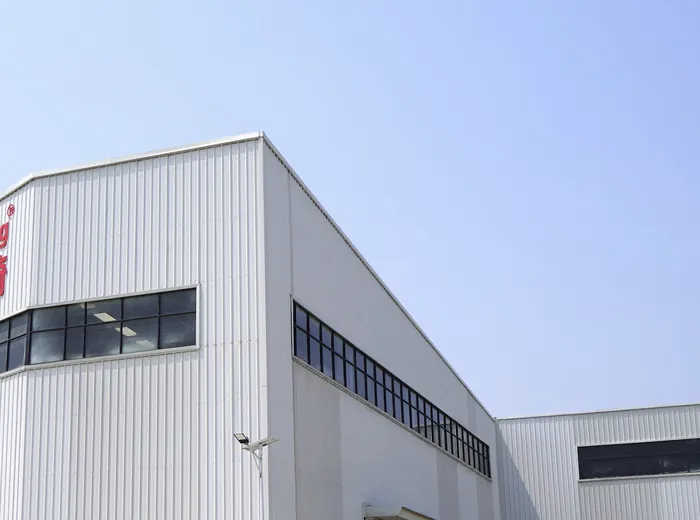
Factory building
Testing center
Send the machine type and the dimensions of your current seat.
The team returns matching models with their published parameters.
Send the machine type, the mounting-hole dimensions of the seat in use today and the operator weight range. The team returns the matching models with their parameters, and brings in the R&D center if the machine needs a design change.